


FAQ'S
Frequently Asked Questions
If a water tank is not cleaned regularly, dirt, algae, and harmful bacteria can build up over time. This can lead to contaminated water, unpleasant odors, and health risks such as stomach infections or skin irritations. Sediment buildup can also damage the tank and reduce water flow efficiency. Regular cleaning ensures safe, clean water for everyday use and extends the lifespan of your water tank.
The water tank cleaning process involves several key steps to ensure safe and hygienic water storage:
Drain the Tank – Remove all water from the tank.
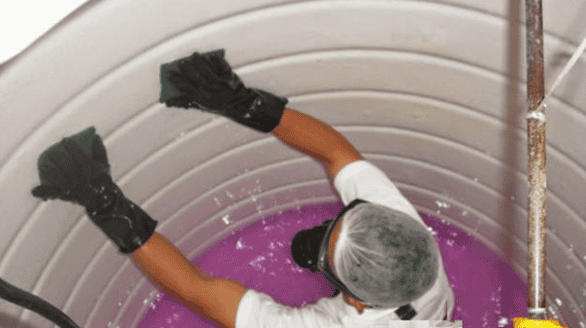
Scrub and Remove Sediments – Clean the walls and floor to remove dirt, algae, and deposits.
Disinfect the Tank – Apply a safe cleaning solution or disinfectant to kill germs and bacteria.
Rinse Thoroughly – Wash the tank with clean water to remove all cleaning residues.
Refill and Test – Refill the tank with clean water and check for any leaks or contamination.
Regular cleaning—at least every six months—helps maintain water quality and prevents health risks.
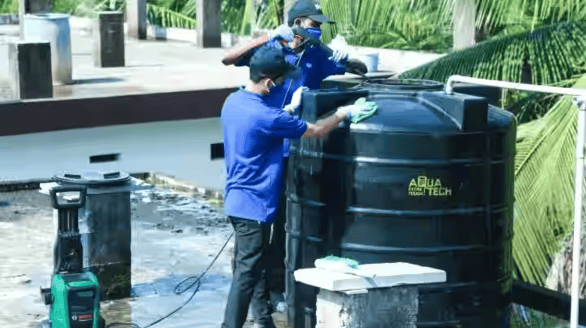
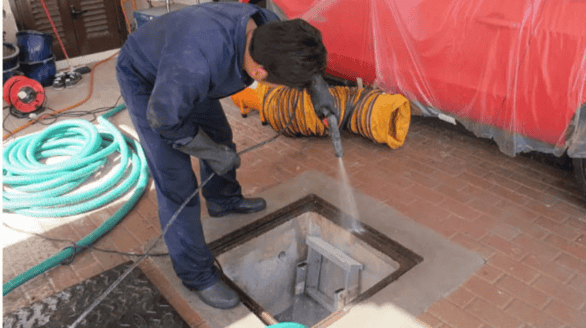
Professionals clean water tanks using specialized equipment and safe disinfectants to ensure thorough sanitation. The process usually includes draining the tank, removing sludge and sediment, scrubbing interior surfaces, disinfecting with approved solutions, and then rinsing and refilling with clean water. Many professionals also use vacuum cleaners and pressure jets for deep cleaning and UV treatment or chlorine disinfection to kill harmful bacteria. This ensures your water supply remains clean, safe, and free from contamination.
Cleaning can involve several hazards if not done properly. These include exposure to harmful chemicals, slips and falls on wet surfaces, inhalation of fumes or dust, and skin or eye irritation from cleaning agents. In some cases, improper use of electrical equipment near water can also pose a risk of electric shock. Using the right protective gear, proper ventilation, and safe cleaning practices helps prevent these hazards and ensures a safe working environment.
The purpose of tank cleaning is to remove dirt, sediment, algae, and harmful bacteria that accumulate over time inside water tanks. Regular cleaning helps maintain water quality, prevent contamination, and protect against health risks. It also extends the lifespan of the tank and ensures your water remains clean, safe, and suitable for everyday use.
Common signs that a water tank needs cleaning include discolored or foul-smelling water, visible algae or sediment buildup, and reduced water flow. You might also notice floating particles, rust stains, or an unusual taste in the water. If it’s been more than six months since the last cleaning, it’s a good idea to schedule a professional inspection to ensure your water remains clean and safe.