

FAQ'S
Frequently Asked Questions
Maintaining a water treatment plant (WTP) ensures safe, clean water and efficient system performance. Key maintenance steps include:
Regular inspection: Check pumps, valves, filters, and pipelines for wear or leaks.
Filter cleaning and replacement: Clean sand, carbon, or membrane filters regularly to prevent clogging.
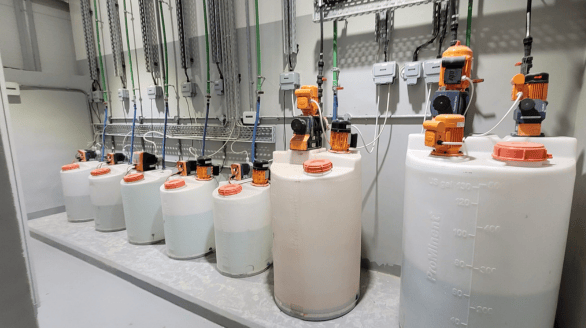
Chemical dosing checks: Ensure correct levels of disinfectants, coagulants, and pH control chemicals.
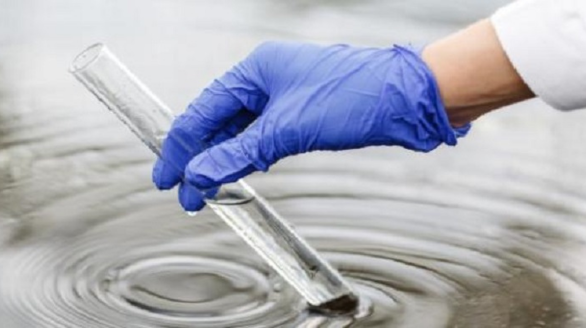
Monitoring water quality: Test for turbidity, pH, residual chlorine, and microbial contamination.
Sludge and sediment management: Remove accumulated sludge from tanks to maintain system efficiency.
Record-keeping: Maintain logs of maintenance activities, inspections, and water quality results.
Routine maintenance prolongs the plant’s lifespan, ensures safe water supply, and reduces operational costs.
The process of plant maintenance involves a systematic approach to ensure that equipment, machinery, and systems operate efficiently and safely. It typically includes:
Inspection and assessment: Regularly check all equipment for wear, leaks, or malfunction.
Preventive maintenance: Perform routine servicing such as lubrication, cleaning, and minor repairs to prevent breakdowns.
Corrective maintenance: Fix any faults or replace damaged components identified during inspections.
Monitoring and testing: Track performance, efficiency, and safety standards through regular testing.
Record-keeping: Maintain logs of maintenance activities, repairs, and inspections for compliance and future planning.
Following this structured process prolongs the life of plant equipment, reduces downtime, and ensures operational efficiency.
The lifespan of a water treatment plant (WTP) depends on its design, quality of components, and maintenance practices. Generally, a well-designed and regularly maintained plant can last 15 to 25 years or more. Key factors affecting longevity include regular servicing of pumps, filters, and pipelines, proper chemical dosing, timely replacement of worn-out parts, and routine monitoring of water quality. Consistent preventive maintenance not only extends the life of the plant but also ensures safe and efficient water supply over the years.
The Water Treatment Plant (WTP) process involves several key steps to ensure safe and clean water for use:
Screening: Removal of large debris, leaves, and solids from incoming water.
Coagulation and Flocculation: Adding chemicals like alum to clump fine particles into larger flocs.
Sedimentation: Allowing flocs to settle at the bottom of sedimentation tanks.
Filtration: Passing water through sand, gravel, or membrane filters to remove remaining impurities.
Disinfection: Using chlorine, UV, or ozone to kill harmful bacteria and pathogens.
pH and Chemical Adjustment: Ensuring water meets safety standards and is suitable for distribution.
Following these steps ensures that water leaving the WTP is clean, safe, and ready for consumption.
To choose the best facility management company in Bangalore, look for providers with a proven track record, comprehensive service offerings, transparent pricing, and strong client testimonials. It’s important to select a company that understands the specific needs of your property type—whether residential or commercial—and offers customized facility management solutions. Additionally, consider companies that prioritize sustainability and use advanced technology to streamline operations and improve service quality.
The safe level of chlorine in drinking water is typically 0.2 to 1.0 mg/L (milligrams per liter) as per WHO (World Health Organization) and local water safety guidelines. This amount is sufficient to disinfect water and kill harmful bacteria and pathogens while remaining safe for human consumption. Levels above 4 mg/L may cause a noticeable taste or odor and could irritate the skin, eyes, or respiratory system. Regular monitoring and proper dosing in water treatment plants ensure safe, clean, and palatable water for daily use.